On a scorching hot day, when every exposed body part seems to be under siege by the sun, about 20 members of the Sacllo agricultural cooperative sit in a semi-circle along the steps and retaining walls of a church that also serves as their community hall. The men are in traditional white linen shirts and jeans, their brown leather hats offering some relief from the heat. The women are in lace tops, bright colourful skirts and the fedoras worn in the Andes.
Sacllo is a small farming community about 50 kilometres north of Cusco in Peru. The campesinos meet here monthly to discuss all the issues faced by their collective. They run their own community government which includes the upkeep of the land and access to water along with organizing harvests and plan celebrations. But outside the day-to-day trials of growing corn, potatoes, coffee and other crops in the Andes, the Sacllo collective faces another, more complex threat seen throughout rural Peru — the loss of its young people to the cities.
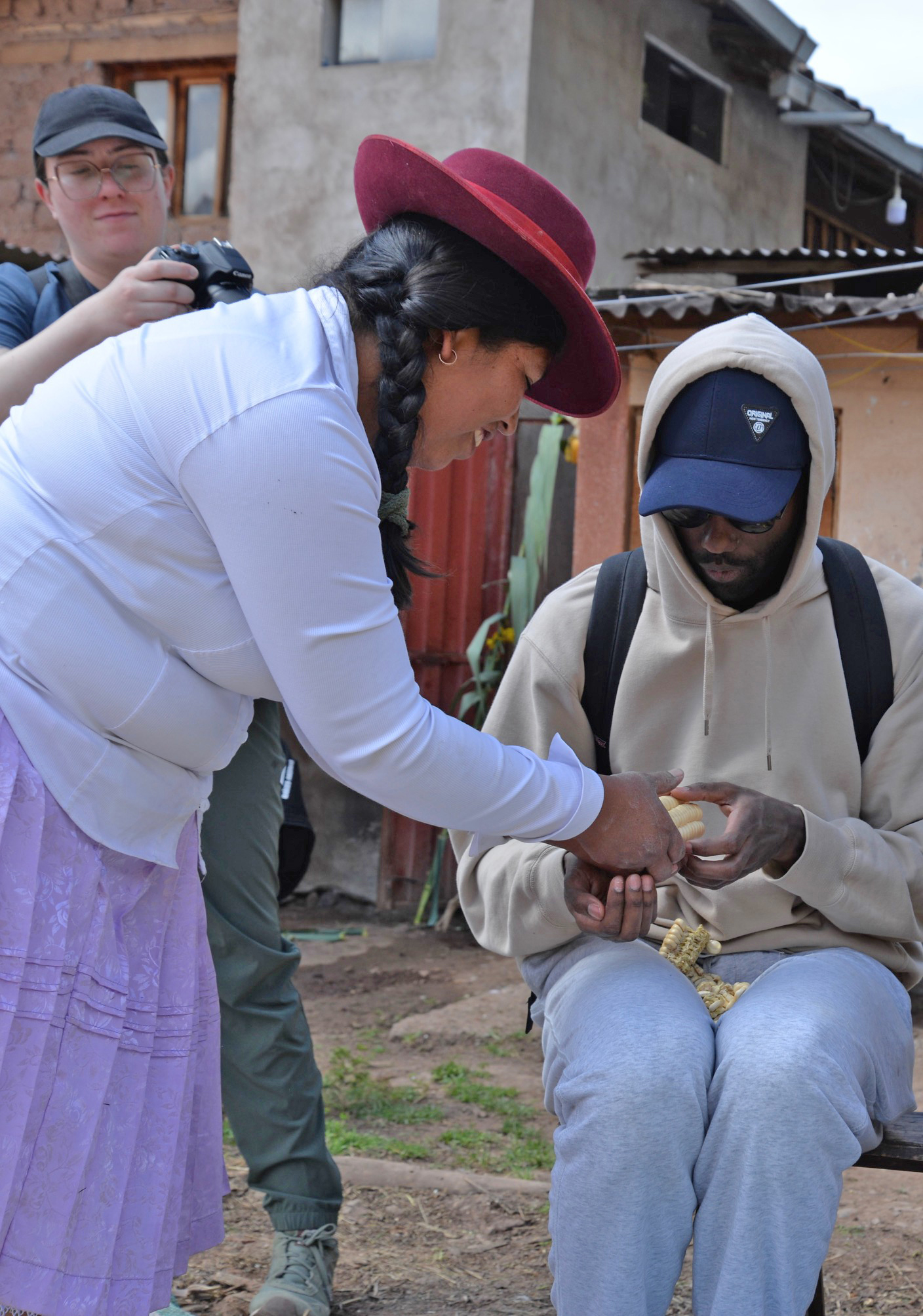
The faces of the members gathered here are dark and weathered from the sun, and tend to be older — most are in their forties and fifties, no one seems to be under 35. Ana Maria Quispe Cusiyupanqui, who grows corn just down the road, says she understands why the younger generation might want to leave.
“Farming is not really a comfortable life,” she says through a translator. “When you work
in the field, you don’t know how much you’re going to receive for your crop. So you never know how much you’re going to have by the end of the month.”
Quispe adds that a lot of farming families want their children to pursue an education, but there aren’t a lot of options in rural areas of Peru. The hope is young people who leave to pursue an education return with fresh perspectives to help improve the family farm, possibly boosting sustainability, business practices or agricultural techniques.
She says, “They go and study and see other realities, but then they can come back and bring those fresh views here.”
But most don’t. According to Peru’s government agency for statistics, Instituto Nacional de Estadística e Informática (INEI), the percentage of Peruvians living in cities has risen from around 60 per cent in 2000 to almost 75 per cent today. The INEI has found especially high rates of out-migration throughout Andean regions such as Sacllo. The government in Lima has allocated a lot of resources to the problem without much success. Its own studies show young people head to the cities to seek better jobs and education, more stable incomes outside of farming, better access to healthcare and, especially for women, personal freedom away from traditional views on gender roles.
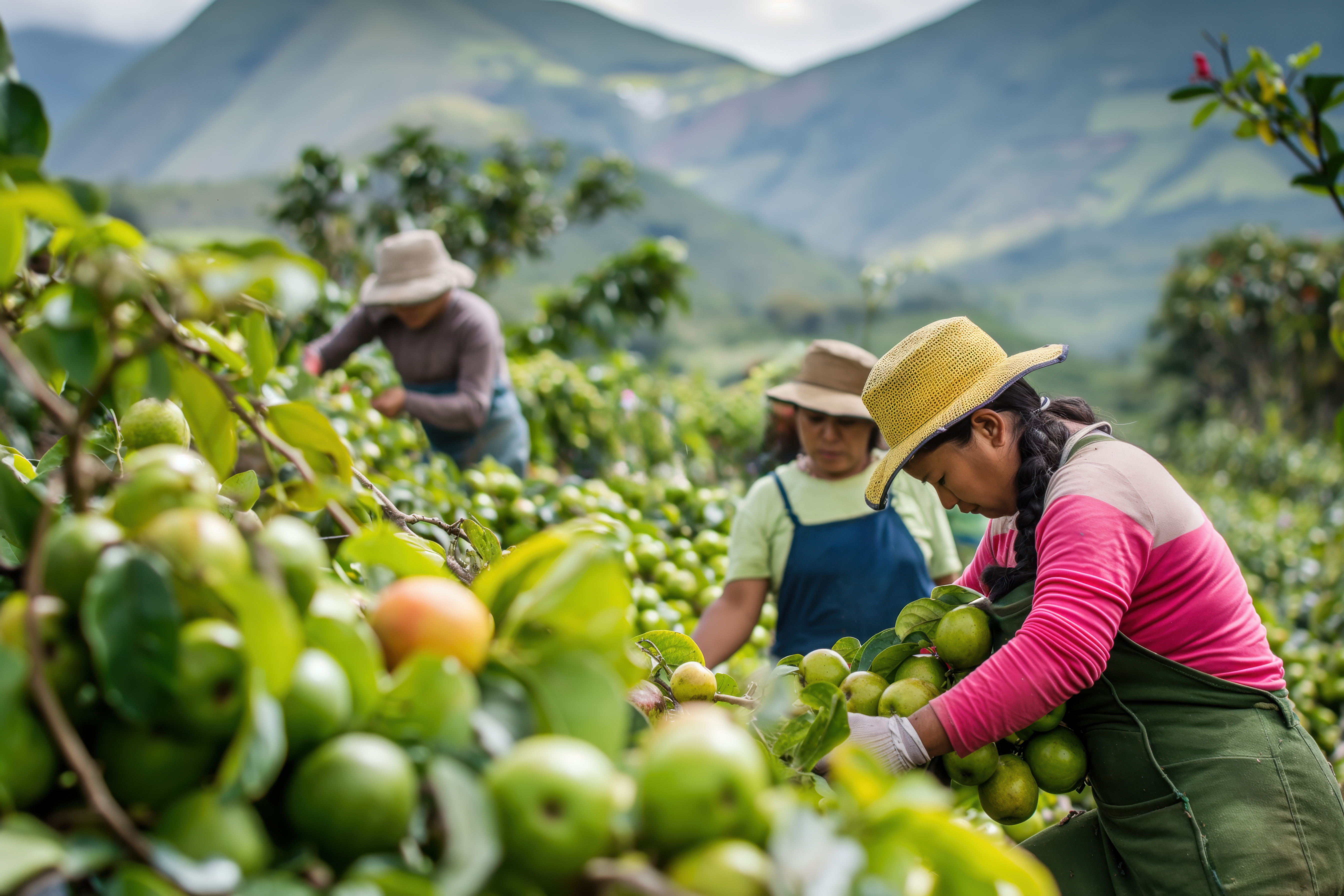
Rosario Mamani Huamán understands better than most the dilemma faced by young Peruvians growing up in rural areas of the Andes. Huamán left her family’s coffee farm to go away to school when she was 11. At 19, she now studies accounting in nearby Urubamba, and works three days a week at a coffee cooperative. Through a translator she describes how, even at 10 years of age, the mountains began to feel smaller, and so did her opportunities for growth.
She’s the youngest in a family of ten, and as a child had to help with the cooking, cleaning and farm maintenance so the rest of the family could focus on the coffee harvest. When she was old enough to go to middle school, there were no educational institutions nearby, a common problem in the Peruvian highlands. Consequently, she moved away from her family to a community three hours away to continue her studies.
Her parents, who had grown dependent on her help, had to adjust to life without their youngest daughter. If there had been a school in the area, Huamán says she would have much preferred to stay with her mom and dad. Even now she’s keen to return to her home community, support her parents and preserve the family farm. In fact, among all the siblings, she’s the only one who wants to take over from her mother and father.
Huamán’s brother showed an early interest in farming but felt he needed to find a more lucrative line of work and moved to the Peruvian Amazon, despite their parents’ attempts to dissuade him. Their mother and father offered to let him own and run the farm, but he turned them down. “I’m not going to earn anything in coffee,” he told his parents.
Huamán’s other brothers and sisters also left, some moving to cities and others starting their own families. Huamán recognizes there will come a time when her parents can no longer manage their five-hectare coffee plot. She wants the family to keep the farm, but she says her siblings urge them to ‘Just sell it. It’s too much of a hassle.” They see the farm as a burden, an impractical inheritance in a place where coffee farming is not only physically demanding but financially unpredictable.
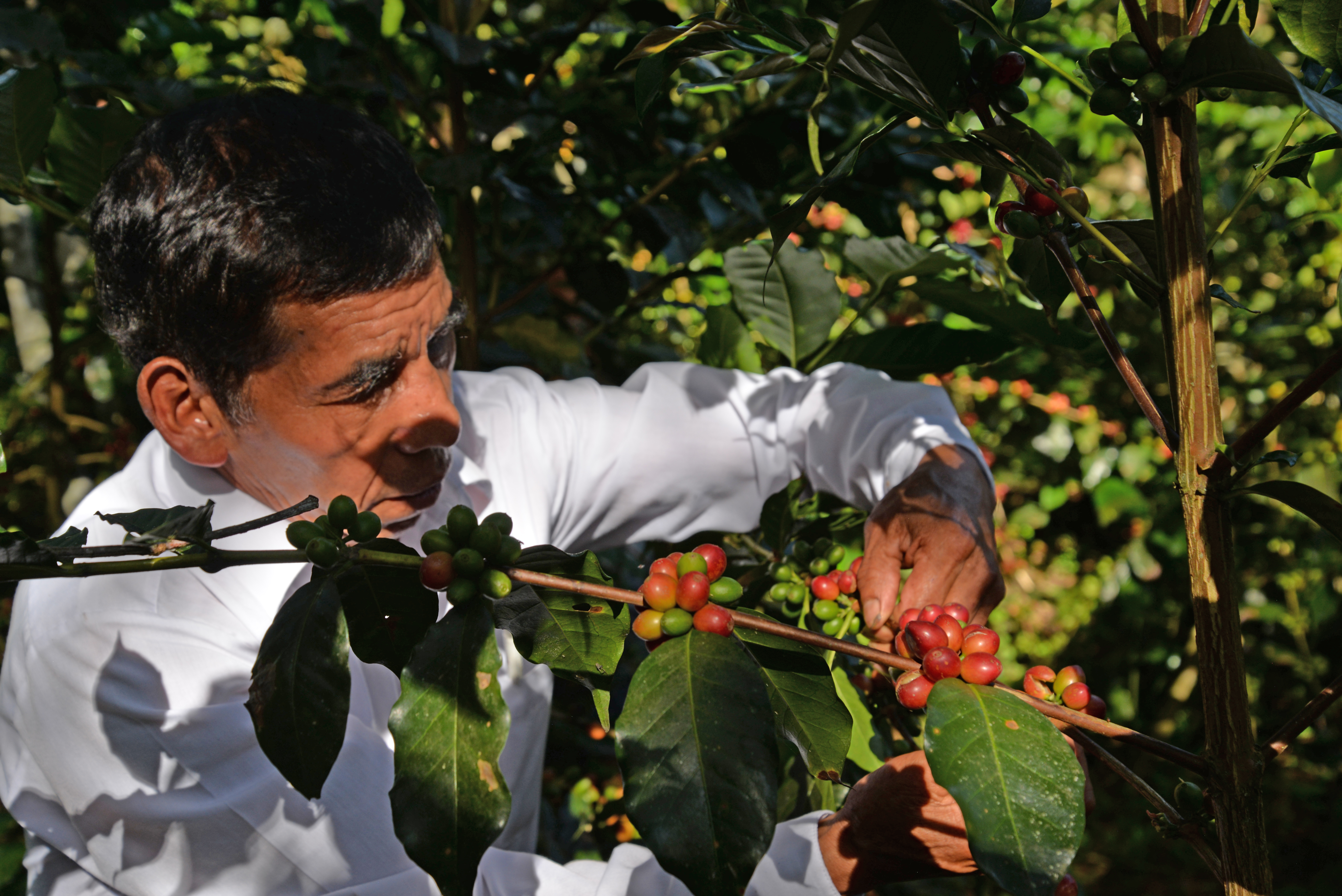
However, Huamán has the desire, and believes she has the skills, to carry on the family farming tradition. Her studies in accounting have served as a ticket out of the community, but also as a bridge back. She wants to use her education to help her parents boost profits and find solutions to make the farm more sustainable, so they don’t have to sell it. But growing coffee is back-breaking work, especially in the Andes.
Steep slopes aren’t just challenging to walk up, they prevent the use of most farm equipment. It can take years for the coffee plants to produce fruit. Old trees must be pruned or replaced, delaying returns on labour. And harvests have become unpredictable due to climate change. Farming is seen as too strenuous for women, and the coffee industry remains heavily male-dominated, yet another challenge for Huamán.
In reality, women play an important role in agriculture, but their contributions are undervalued, according to Samantha Hickman, the director of Raices Andina, a division of the Andean Alliance for Sustainable Development (AASD) in nearby Calca. The AASD supports a variety of agricultural initiatives, including a women’s coffee cooperative. Hickman points out that in many rural communities, roles are rigid and deeply ingrained along gender lines. She says women typically manage all other aspects of the farm when it comes time for harvest, Hickman says after the crop comes in, tasks like sorting the coffee cherries and washing the beans often fall to the women.
“They do more of that process because it’s less labour-intensive. And they’re more meticulous. They select the better cherries. A lot of men just throw everything in, and women have to pick out the bad ones.”
Hickman understands the difficult choices young women like Huamán face: “As a woman in the community, there are less things that you can do, especially when it comes to coffee… So it made sense for [Huamán] to get out of the community and to find other ways to support her parents.”
Farming communities throughout Peru recognize the harm caused when young people can’t find reasons to stay. Luis Alberto Alanoca grows coffee for the Maranura cooperative near the city of Quillabamba. He describes out-migration as a “huge” problem and a critical issue for the co-op where most of their farmers are over 50 with many now in their sixties and seventies.
“At its peak, Maranura had more than a thousand members,” says Alanoca. “Today it has 200.” As a result, there’s a smaller, aging labor force that increasingly struggles to bring in the harvest.
But Alanoca also acknowledges that there’s a cultural cost. Discrimination against Quechua-speaking campesinos is an ongoing legacy of Spanish colonialism in Peru. Even some farmers perpetuate that negative image in raising their children.
Alanoca notes, “For many kids growing up, their parents would say, ‘If you don’t study and, you know, kind of find a way out … you’re gonna be a farmer just like me.’”
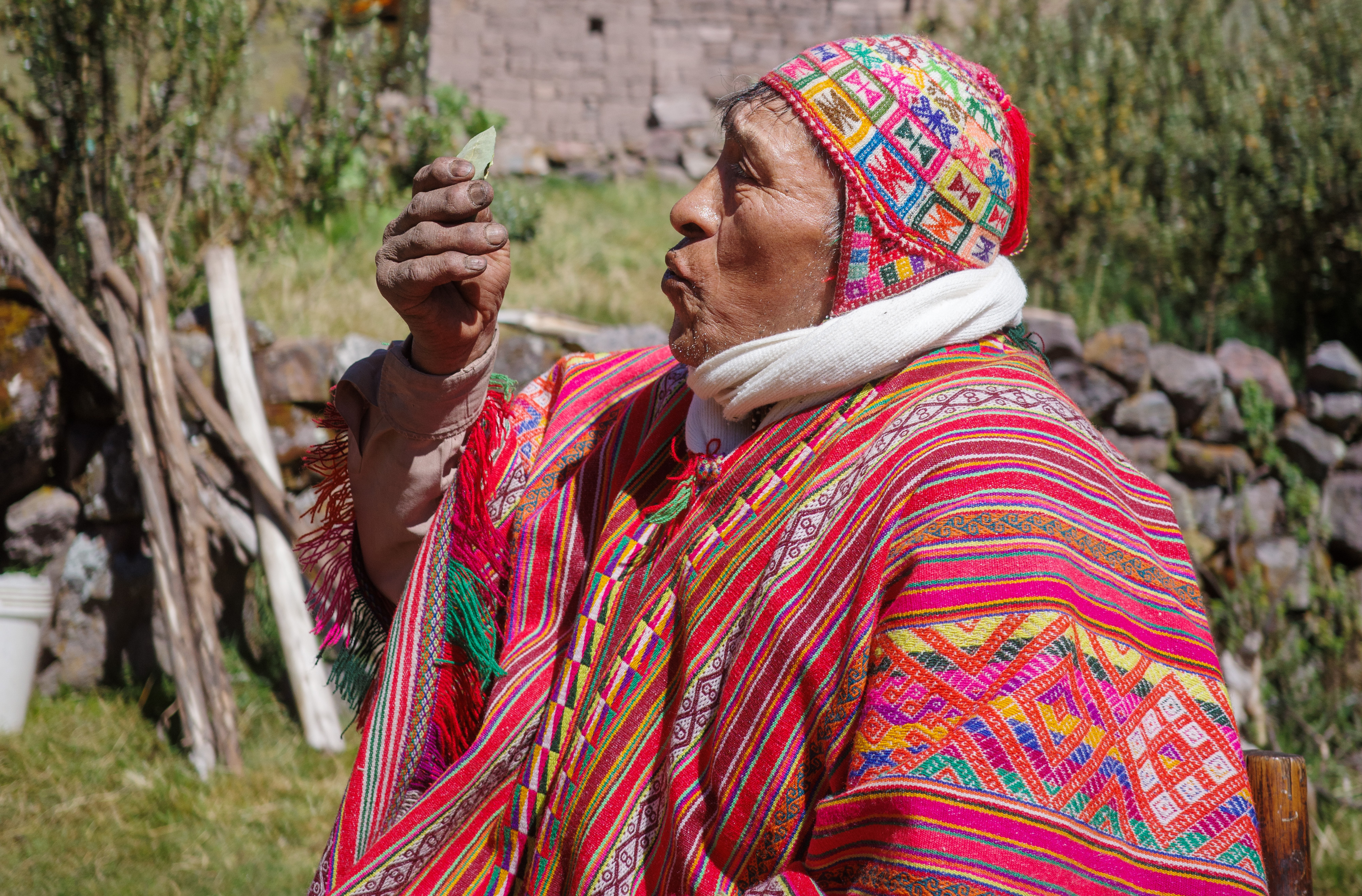
For a lot of rural young people this not only serves as motivation to leave, but also to give up on Indigenous language, rituals and traditions as they assimilate into urban culture.
The issue can be especially acute when that traditional knowledge is of vital importance to the biodiversity of one of the world’s most important crops.
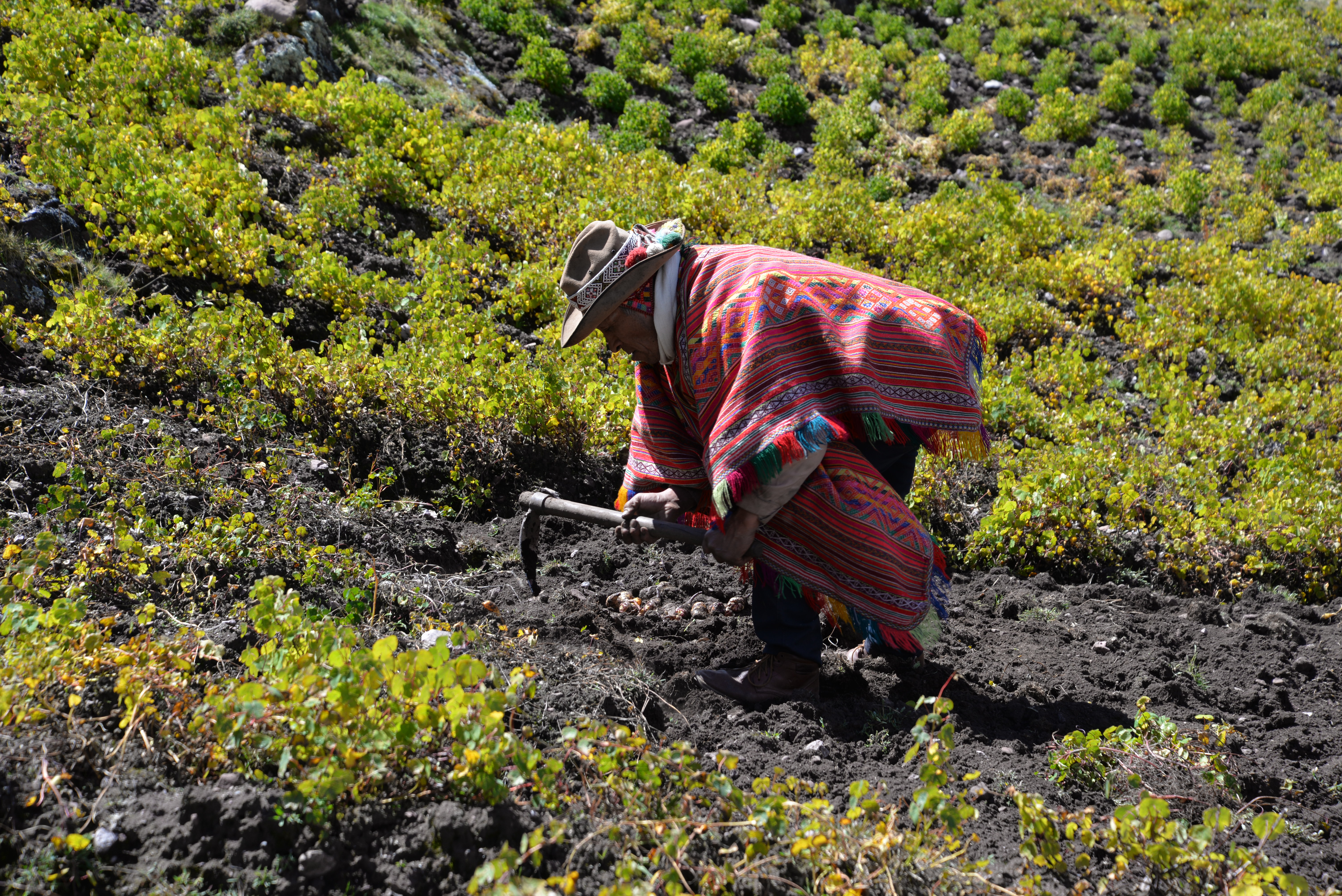
Julio Hancco, better known as el rey de la papa, “the Potato King,” lives over 4,200 metres above sea level in the Andes in a remote area known as Pampacorral. He acquired the royal moniker as the leading expert in the genetic diversity of potatoes, growing more than 350 different varieties. He doesn’t read or write, but upholds ancient traditions of farming with tools and techniques that have been around for thousands of years and has won international agricultural competitions in Italy and Spain. His potatoes come in a vibrant array of colours, tastes, sizes and shapes.
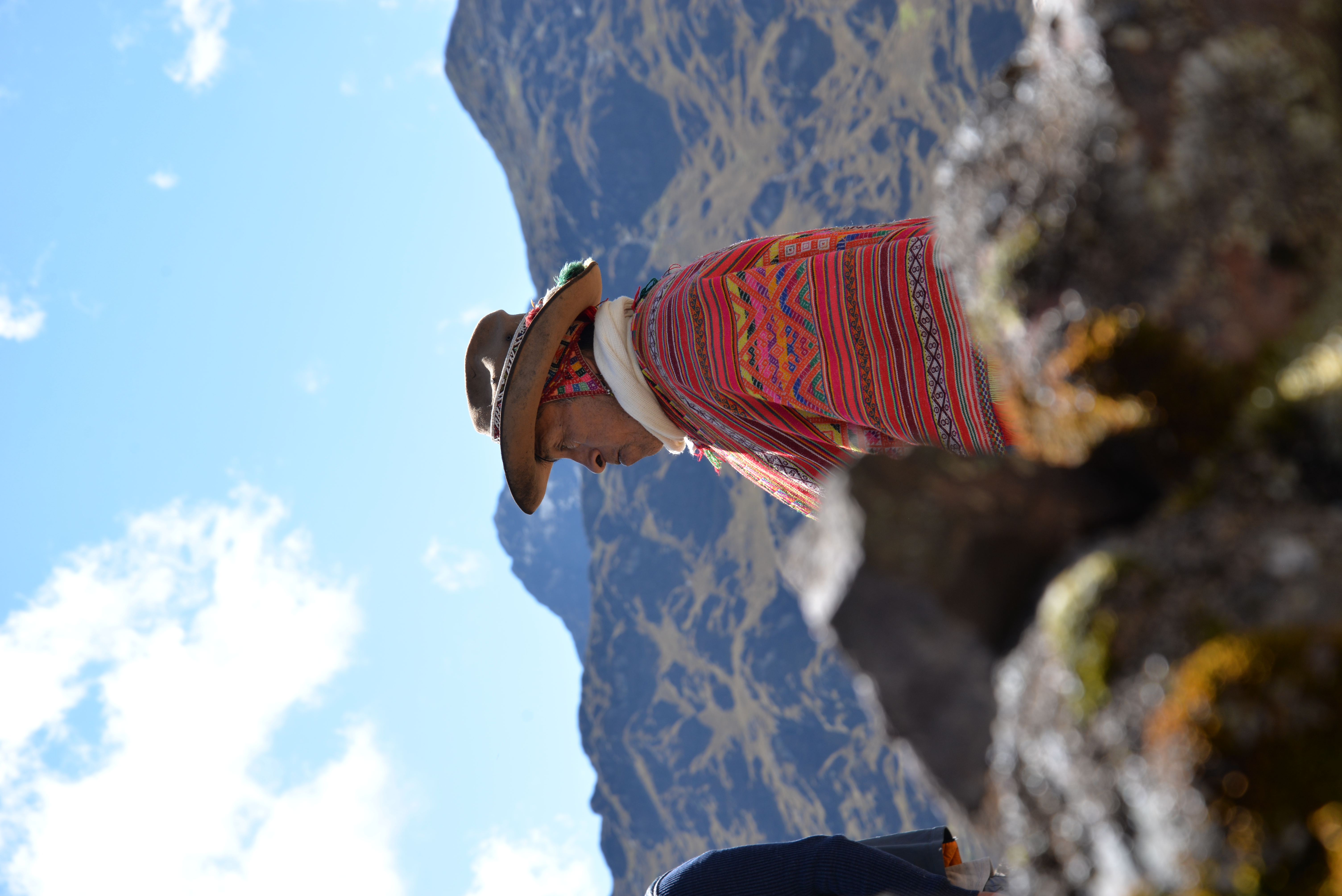
As climate change brings new challenges related to weather events, pests and disease, Hancco’s understanding of horticulture is critical to the future of the potato. He knows which varieties are best suited to different soil conditions, which are more resistant to specific insects, and which will thrive or wilt in hotter, dryer conditions. While he has shared his knowledge with scientists in Lima and other parts of the world, Hancco has the same concerns about succession faced by other farmers in Peru.
Potato farming high in the Andes, miles from the nearest town, is no less strenuous than growing coffee, in spite of the sheer beauty of the region. Hancco lives with his wife Rosa in a tiny, modest house that sits well above the tree line on a lush green slope, surrounded by snow-capped peaks, alpacas and sheep grazing in the distance.
“Until I get too old, I’ll be here because I’m very privileged to have these beautiful lands. I love my location, all this is my farm, so until I no longer feel strong I will keep working,” he explains in his native Quechua. His family has been here for generations, and he hopes some of his six children will find ways to stay connected to his traditional way of life. “I know it’s hard to work in this, it’s hard work.”
Aaron Ebner has known Hannco for years and produced a documentary about his friend in 2018 called Opening The Earth: The Potato King.
“Ten years ago, for you to ask if any of [his] kids were going to come back and work potatoes, he would have said no,” says Ebner. “But his son Alberto’s here and he’s very involved in knowing the science behind the potatoes, and he’s continuing to cultivate them … he lives here year round.”
According to Ebner, this is a huge source of pride for Julio and Rosa. Their oldest son also maintains ties to the farm. He left for Lima years ago, but built on his father’s knowledge by starting a specialty potato chips business, featuring crops from Pampacorral.
Hancco’s sons see real value in the work and knowledge the family farm has come to represent. But that’s not the case for a lot of young people in rural Peru, nor does it hold true for some of their parents. Attitudes that devalue the contributions of farmers, especially the role of women, along with the traditional forms of rural living need to shift within Peruvian society. If not, Peru risks losing a large part of its culture, tradition and heritage as rural communities continue to slowly disappear.