On a patch of grass at Ecohuella farm in Peru’s Sacred Valley, Evangelina Huaman Baños sits cross-legged at her backstrap loom, weaving beneath the late-day sun. One end of the loom is tied up to a nearby tree while the other wraps snugly around her waist with a handwoven strap. The fibers stretch tight across wooden rods, and her fingers move quickly across the loom, pulling centuries of tradition through each thread. Her daughter spins wool nearby, half playing, half learning. For Baños, weaving isn’t just craft — it’s cultural memory, a way of surviving, resisting colonialism and passing something on.
“I feel very empowered making textiles,” she says in her native Quechua. “Everything I have is in my head. I feel very empowered compared to machinery-run companies, because I know they’re lying to their clients.”
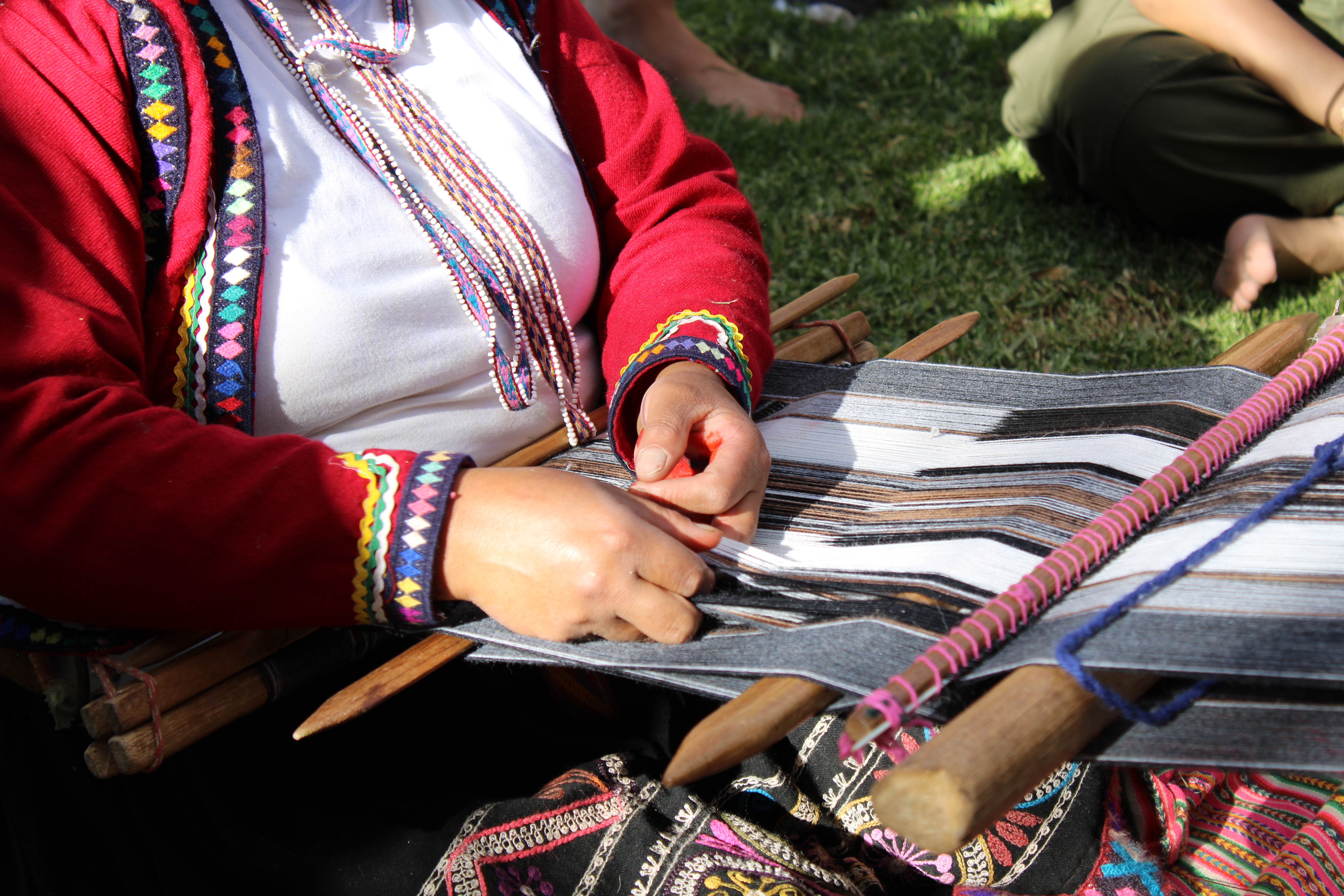
PHOTO: JULIANAN ADAIR
Baños is from the Ch’umpi community near Calca, a region in Andean highlands known for its handwoven garments dyed with native plants and bugs. She learned to spin wool at age eight and now teaches her children the same skills, even as interest among local youth fades.
“Some kids are interested, but some, they’re just living,” she says. “They don’t want to learn.”
Her concern is echoed by textile educators and sustainability advocates across Peru, who say traditional textile practices are under growing pressure. Not just from climate change and disappearing traditions, but from the rise of fast fashion and factory-made goods flooding tourist markets.
At the Pontifical Catholic University of Peru (PUCP) in Lima, several hundred kilometers north of Calca, a crowd of students browses racks of secondhand crop tops and leather jackets under a tarp that reads Closet Sale. The vibe is cheerful where upcycled fashion is trendy and “thrifting festivals” are popular events around the city.

PHOTO: JULIANNA ADAIR

But just a few blocks away, markets overflow with synthetic clothing and knock-off slides branded with global logos.
At the same time, many of the textiles sold in tourist-heavy areas — ponchos, blankets, even traditional-looking hats — are not made locally. Though marketed as Peruvian, they’re often imported from factories abroad and mimic the appearance of handmade Andean designs.
For small-scale weavers like Baños, the competition is tough.
“It’s hard to make by hand,” she says. “You spend way more time.”
In nearby cities like Cusco, tailors can quickly replicate traditional-looking clothing using synthetic fabrics and industrial sewing machines. Unlike weavers, who build each piece thread by thread, Baños says tailors work from patterns and templates, tracing over existing patterns, cutting fabric in bulk, and stitching with machines — a far cry from the slow, memory-based method of backstrap weaving.
“If you bring them a design from a weaver, they can finish it in just a few hours,” she adds.
For small scale artisans, competing with the pace and price of fast fashion is a constant struggle. What’s being lost in the rise of synthetic, mass-produced textiles isn’t just the material, but the process.
Ester Xicota, a sustainability researcher and faculty member at PUCP in Lima, agrees that current fashion systems overlook the human side of production, especially ancestral knowledge.
Xicota says fast fashion is pressuring artisans to cut corners, swapping traditional techniques for faster methods and turning to synthetic materials instead of the authentic fibres that have been used for generations.
This deeper connection between clothing and identity is something Andrea Carrasco, a Peruvian graphic and fashion designer, also sees in her work. For her, textiles carry more than utility, they carry memory.
“A piece of cloth is related to the body,” she says. “It has function, it has communication — a purpose.”

PHOTO: JULIANNA ADAIR
Carrasco adds that sustainability isn’t just about what something is made of. Rather, it’s about how it’s made and by whom. While natural fibres are important, fashion must also consider labour, time and the scale of production.
“That’s why I think it’s not always related to the material itself but also to the process,” she says. “If a dress takes 360 hours to be done by one person, is it sustainable if I have an order of 100 dresses?”
For Baños, that time is sacred. Her textiles begin with raw wool, cleaned and spun by hand. The colours come from plants and herbs her ancestors used. Every step matters.
“We’re going back again to use all natural,” she says. “Combining with our nature.”
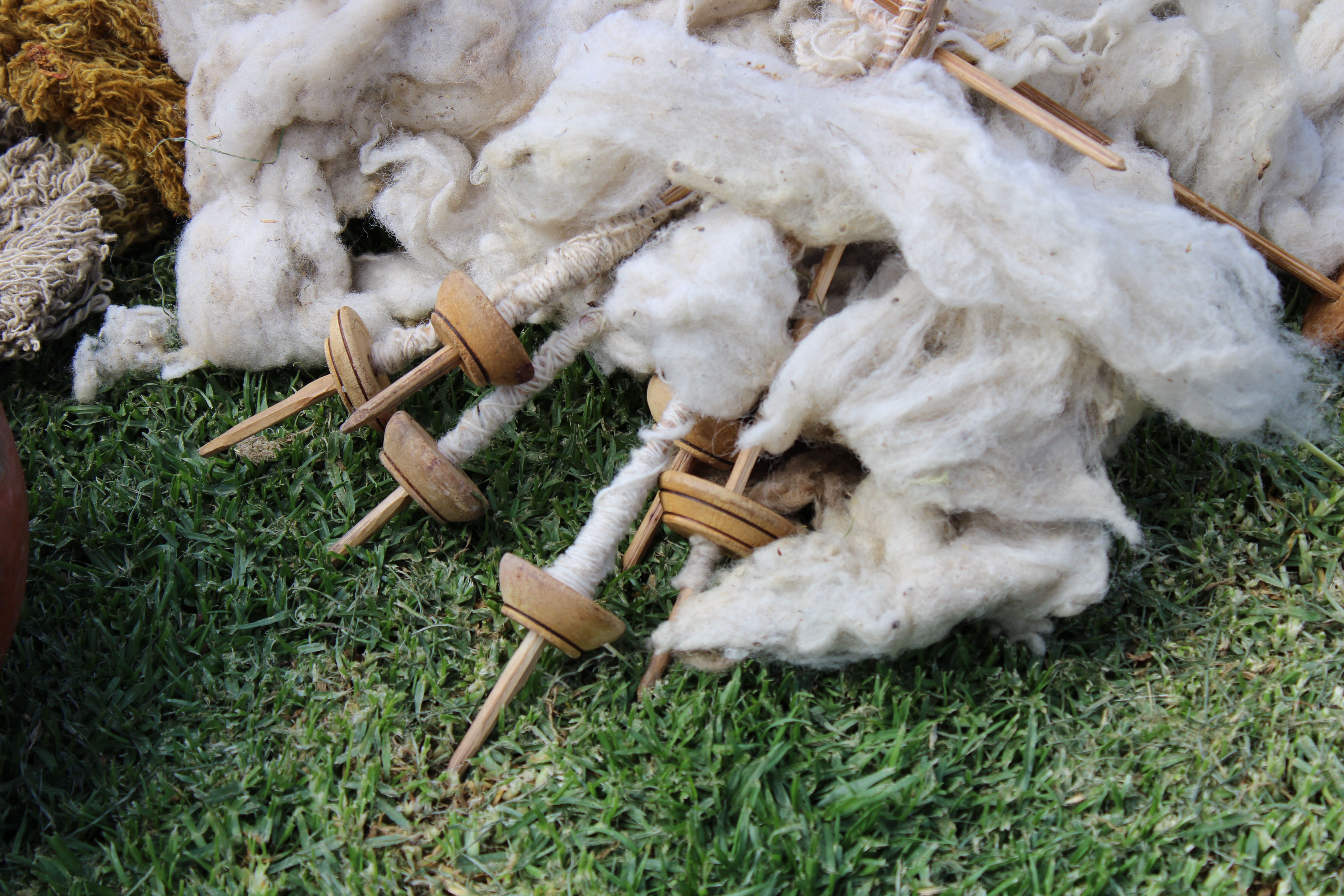
PHOTO: JULIANNA ADAIR
Still, she notes synthetic dyes are easier to find and cheaper in cities nearby like Cusco. And for tourists, it’s hard to find the difference between real and fake alpaca wool, natural and chemical dyes or handmade and machine-made work.
“Sometimes people say, ‘This is alpaca.’ But it’s not alpaca, it’s synthetic,” says Baños adamantly. “But sometimes you spend your money, and that worries me.”
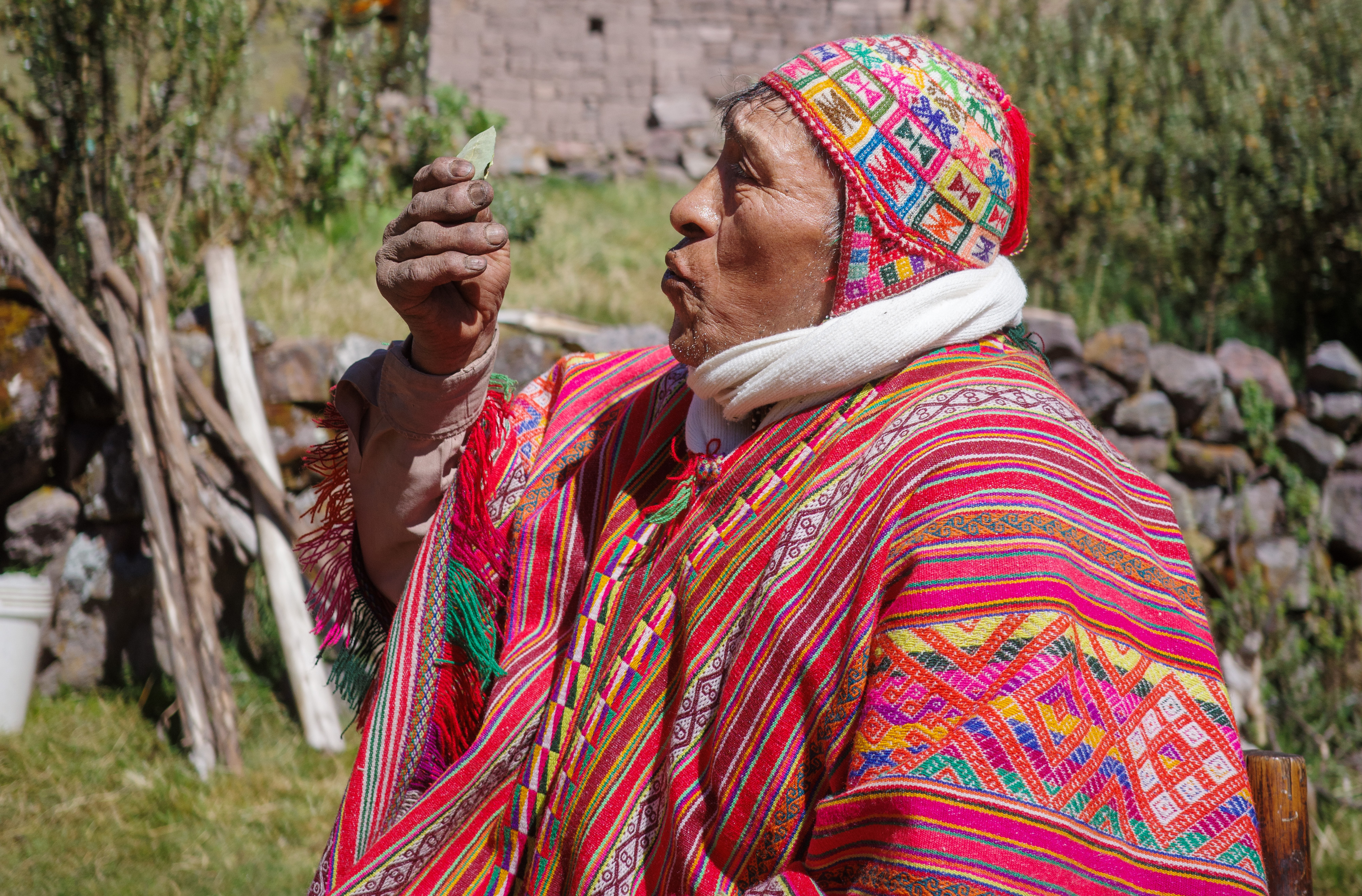
Despite the challenges, some communities are pushing back. In Baño’s village, leaders recently voted at a community meeting to reinforce traditional dress codes, encouraging the use of handmade garments and discouraging synthetic lookalikes. Baños says the decision wasn’t about policing clothing, but an attempt to protect local identity and preserve ancestral techniques.
“Before my parents, my grandparents, they used to use mostly natural,” she says. “Now this one you can see it’s shedding. There’s a mix with synthetic fibers.”
The future of fashion, as Xicota sees it, must revalue not only natural materials but the slowness and integrity of ancestral processes. She feels if sustainability is to mean anything, it must move beyond green labels and recycled fabrics. It must question timelines, touchpoints and the systems behind each stitch.
Carrasco agrees that the future of fashion, if it’s going to be sustainable, needs to slow down and return to values rooted in community.
“Sustainability isn’t really something we have to speak about,” she says. “We live it somehow.”
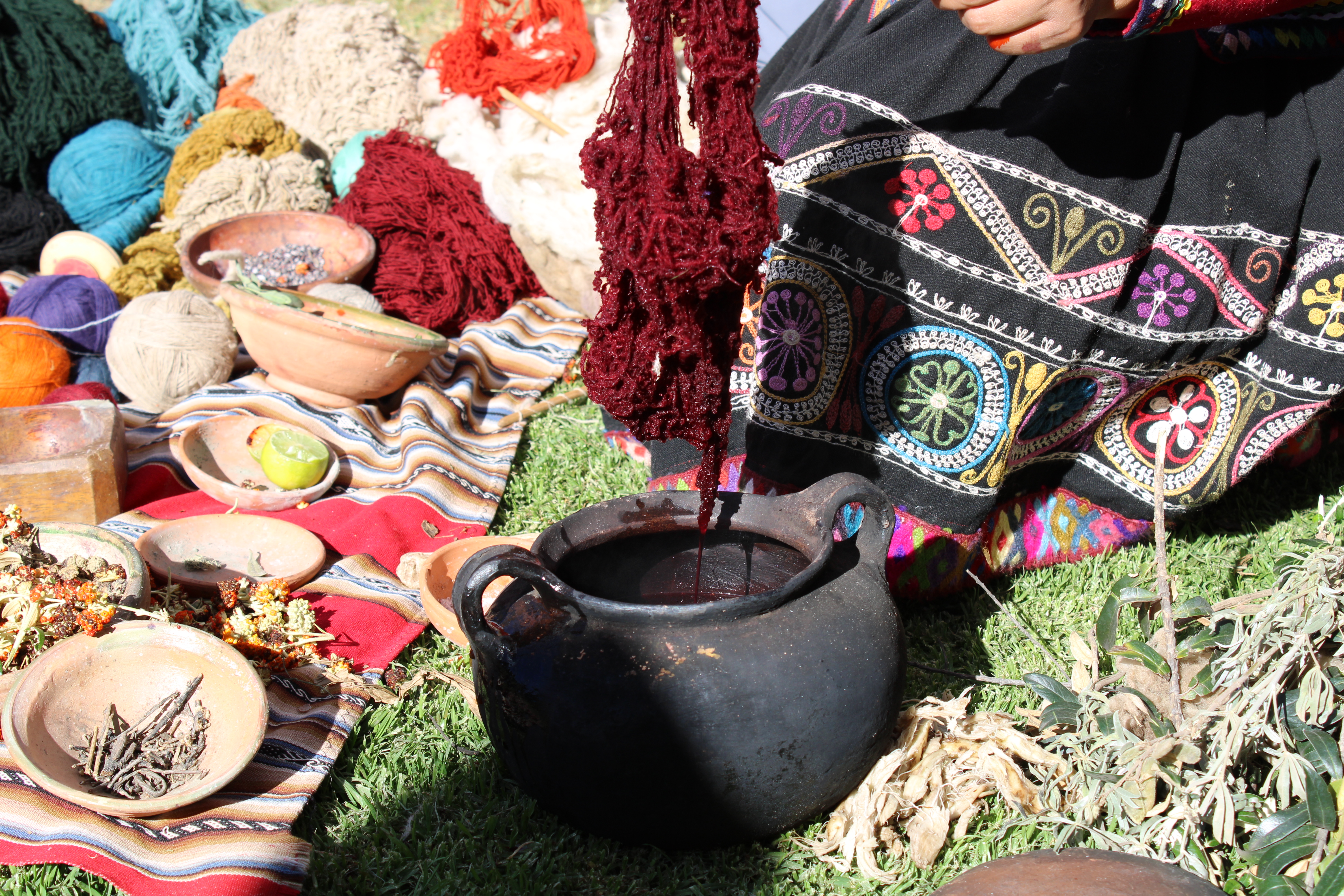
PHOTO: JULIANNA ADAIR
For thousands of years, Andean communities have lived in rhythm with their environment — spinning what they had, dyeing with what grew nearby and weaving not just for beauty, but for survival and identity.
As the fashion industry scrambles for new solutions to become more sustainable, some answers may already have been woven in the Peruvian past.